

Stainless Steel Seamless Pipe: Types, Applications, Benefits & Selection Guide
Introduction
Stainless steel seamless pipes are critical components in industries that demand high strength, corrosion resistance, and long-term reliability. From oil and gas pipelines to pharmaceutical production lines, these pipes provide superior performance under extreme pressure, temperature, and corrosive environments.
Unlike welded pipes, seamless pipes are manufactured from a solid stainless steel billet without any welding seam, resulting in a uniform structure with enhanced mechanical properties. This makes them the preferred choice for critical applications where safety and durability cannot be compromised.
In this guide, you’ll learn everything about stainless steel seamless pipes, including their manufacturing process, advantages, applications, pipe grades, and how to select the right product for your project.
Related Products:
What Is a Stainless Steel Seamless Pipe?
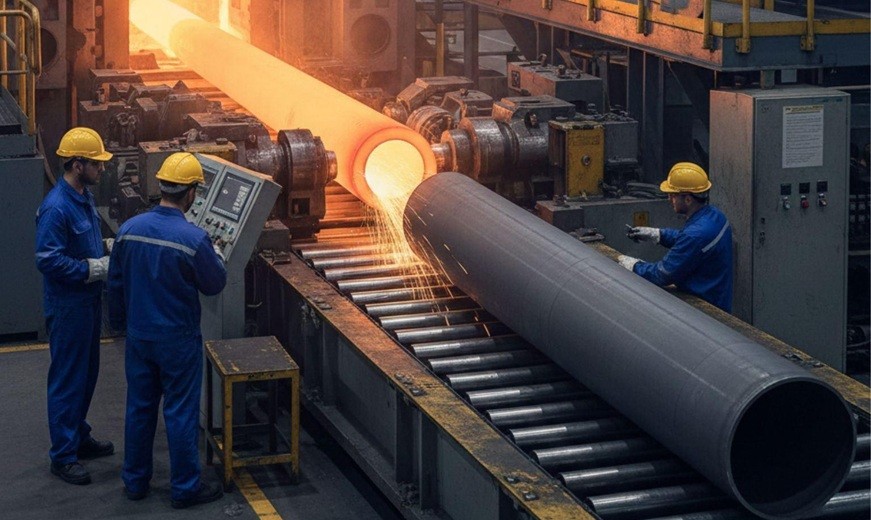
A stainless steel seamless pipe is a hollow cylindrical tube produced without any welded joints. The manufacturing process begins with a solid stainless steel billet that is heated, pierced, elongated, and rolled into the required dimensions.
Because there is no longitudinal weld seam, the pipe maintains consistent strength throughout its entire circumference, making it ideal for high-pressure and high-temperature applications.
Seamless Pipe Manufacturing Process
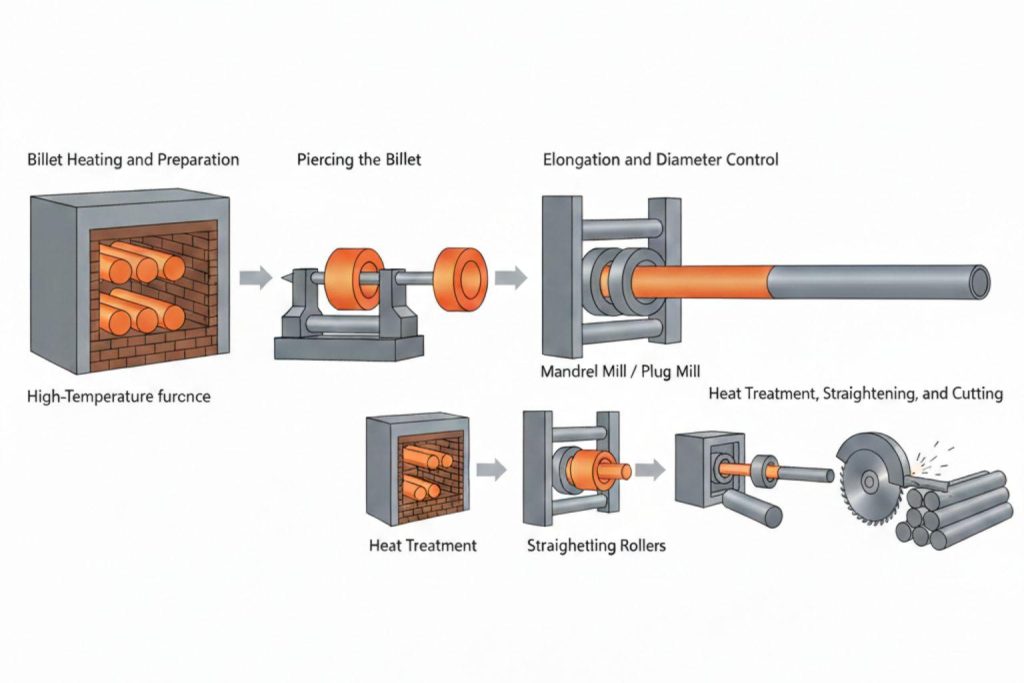
The basic production steps include:
- Stainless steel billet preparation
- Billet heating
- Rotary piercing
- Hot rolling or cold drawing
- Sizing and straightening
- Heat treatment
- Surface finishing
- Non-destructive testing
- Final inspection and packaging
This manufacturing method eliminates weld defects and provides superior structural integrity.
Key Advantages of Stainless Steel Seamless Pipes
1. Excellent Corrosion Resistance
Stainless steel contains chromium, which forms a protective oxide layer on the surface. Grades such as:
- 304 Stainless Steel
- 304L Stainless Steel
- 316 Stainless Steel
- 316L Stainless Steel
- Duplex Stainless Steel 2205
- Super Duplex Stainless Steel 2507
offer outstanding resistance against:
- Chemical corrosion
- Acidic environments
- Marine atmospheres
- Chloride attack
- Industrial pollutants
This makes seamless stainless steel pipes ideal for chemical plants, offshore platforms, desalination facilities, and food processing industries.
2. Superior Strength Under Pressure
Since there are no welded joints, seamless pipes have:
- Higher tensile strength
- Better pressure-bearing capacity
- Improved fatigue resistance
- Reduced risk of leakage
For critical systems such as oil pipelines, hydraulic systems, boilers, and power plants, seamless pipes provide greater operational safety.
3. High Temperature and Low Temperature Performance
Stainless steel seamless pipes maintain excellent mechanical properties in extreme conditions:
- High-temperature steam systems
- Heat exchangers
- Boilers
- Cryogenic storage tanks
- LNG transportation systems
They resist thermal expansion, deformation, and cracking better than many alternative materials.
4. Precision Dimensions
Cold-drawn and cold-finished seamless pipes offer:
- Tight dimensional tolerances
- Consistent wall thickness
- Smooth internal surfaces
- Better flow efficiency
These characteristics are especially important for aerospace, instrumentation, and precision engineering applications.
5. Hygienic Surface Quality
Polished stainless steel seamless tubes can achieve extremely low surface roughness values, making them suitable for:
- Food processing
- Beverage production
- Pharmaceutical manufacturing
- Biotechnology facilities
- Medical equipment
The smooth surface reduces contamination risks and simplifies cleaning procedures.
Stainless Steel Seamless Pipe vs Welded Pipe
Many buyers ask:
Which is better: seamless pipe or welded pipe?
The answer depends on the application.
| Feature | Stainless Steel Seamless Pipe | Stainless Steel Welded Pipe |
|---|---|---|
| Manufacturing | No weld seam | Produced by welding |
| Pressure Resistance | Excellent | Moderate |
| Structural Strength | Higher | Lower at weld zone |
| Corrosion Resistance | Superior | Potential weakness at weld |
| Reliability | Very high | Good |
| Cost | Higher | Lower |
| Best Applications | Critical systems | General industrial use |
When Should You Choose Seamless Pipe?
Choose seamless pipe when:
- Operating pressure is high
- Safety is critical
- Corrosive media are involved
- Long service life is required
- Regulatory compliance is strict
Types of Stainless Steel Seamless Pipes
304 Stainless Steel Seamless Pipe
Features:
- Excellent corrosion resistance
- Good weldability
- Cost-effective
- Most widely used stainless grade
Applications:
- Water systems
- Food processing
- Architectural structures
- General industrial piping
316 / 316L Stainless Steel Seamless Pipe
Features:
- Molybdenum-enhanced corrosion resistance
- Better resistance to chlorides
- Excellent marine performance
Applications:
- Offshore platforms
- Marine engineering
- Chemical plants
- Pharmaceutical systems
Duplex Stainless Steel Seamless Pipe
Features:
- High strength
- Superior chloride resistance
- Excellent stress corrosion cracking resistance
Applications:
- Oil & gas
- Desalination plants
- Seawater pipelines
- Offshore structures
Applications of Stainless Steel Seamless Pipes
 Oil & Gas Industry
The oil and gas sector is one of the largest consumers of seamless pipes.
Applications include:
- Oil transportation pipelines
- Natural gas transmission
- Drilling equipment
- Downhole tubing
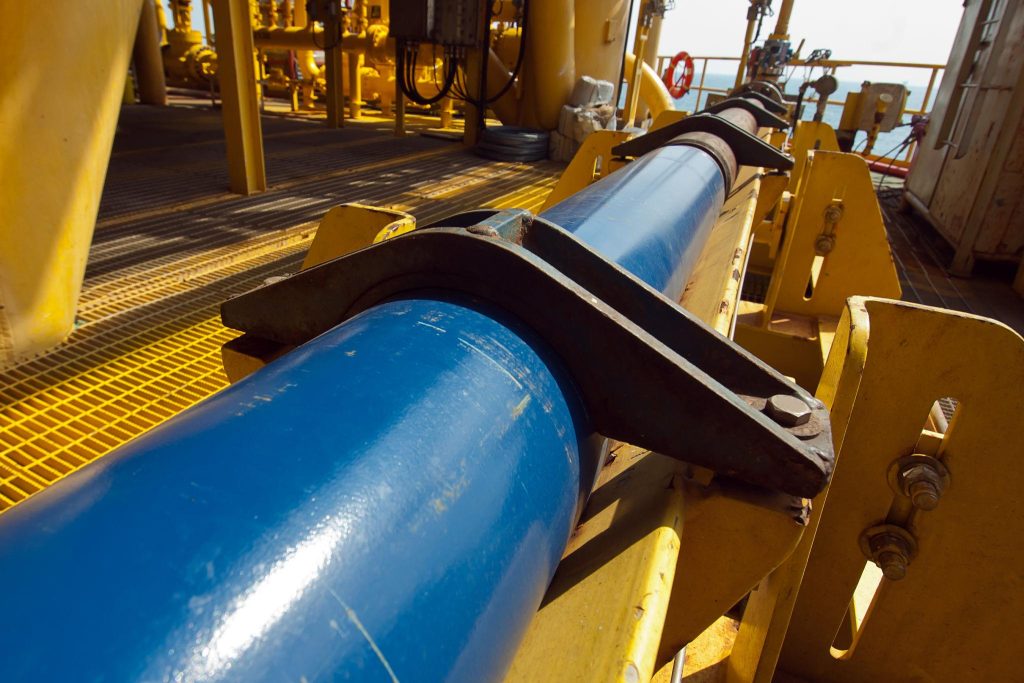
- Offshore production platforms
The seamless structure minimizes leakage risks and withstands extreme operating pressures.
Petrochemical & Chemical Processing
Chemical plants require piping systems capable of handling:
- Corrosive chemicals
- Acids
- Solvents
- High-temperature fluids
Stainless steel seamless pipes provide long service life while reducing maintenance costs.
Power Generation
Power stations use seamless pipes in:
- Boilers
- Superheaters
- Reheaters
- Heat exchangers
- Steam distribution systems
The pipes maintain structural integrity under continuous thermal stress.
Food & Beverage Industry
Food-grade seamless pipes are used for:
- Milk processing
- Beverage production
- Brewing systems
- Dairy facilities
- Sanitary process lines
Their smooth internal surfaces prevent bacterial accumulation and ensure product purity.
Pharmaceutical Industry
Pharmaceutical facilities require ultra-clean piping systems.
Benefits include:
- Easy sterilization
- Low contamination risk
- Excellent chemical resistance
- Compliance with sanitary standards
Construction & Infrastructure
Applications include:
- Structural supports
- Water distribution systems
- High-rise buildings
- Bridges
- Architectural decoration
The combination of strength and aesthetics makes stainless steel seamless pipes attractive for modern construction projects.
How to Choose the Right Stainless Steel Seamless Pipe
Selecting the correct seamless pipe requires evaluating several factors.
1. Determine the Fluid Medium
Ask:
- Water?
- Oil?
- Gas?
- Chemicals?
- Food products?
Different media require different corrosion resistance levels.
2. Evaluate Pressure and Temperature
High-pressure applications generally require:
- Seamless construction
- Thicker wall schedules
- Higher-strength grades
3. Select the Appropriate Material Grade
| Grade | Main Advantage | Typical Use |
|---|---|---|
| 304 | General corrosion resistance | Water, food |
| 304L | Low carbon | Welding applications |
| 316 | Better chloride resistance | Marine, chemical |
| 316L | Improved corrosion resistance | Pharmaceutical |
| Duplex 2205 | High strength | Offshore projects |
| Super Duplex 2507 | Extreme corrosion resistance | Desalination |
4. Check Dimensional Requirements
Consider:
- Outside Diameter (OD)
- Wall Thickness (WT)
- Pipe Schedule
- Length Tolerance
Ensure compliance with ASTM, ASME, EN, or customer-specific standards.
5. Verify Certifications and Testing
Reliable manufacturers typically provide:
- Mill Test Certificate (MTC)
- PMI Testing
- Hydrostatic Testing
- Eddy Current Testing
- Ultrasonic Testing
- ISO 9001 Certification
These tests help ensure product quality and traceability.
Conclusion
Stainless steel seamless pipes remain the preferred solution for industries that require maximum reliability, corrosion resistance, and pressure performance. Whether used in oil and gas, chemical processing, food production, pharmaceuticals, construction, marine engineering, or emerging hydrogen projects, seamless pipes deliver long-term value and operational safety.
For buyers and engineers, selecting the correct grade, wall thickness, and certification standard is essential to achieving optimal performance. High-quality seamless pipes may involve a higher initial investment, but their durability, reduced maintenance, and extended service life make them one of the most cost-effective industrial piping solutions available.