

Stainless Steel Coil: Applications, Benefits & Industry Uses
Stainless Steel Coil: Applications, Benefits & Industry Uses
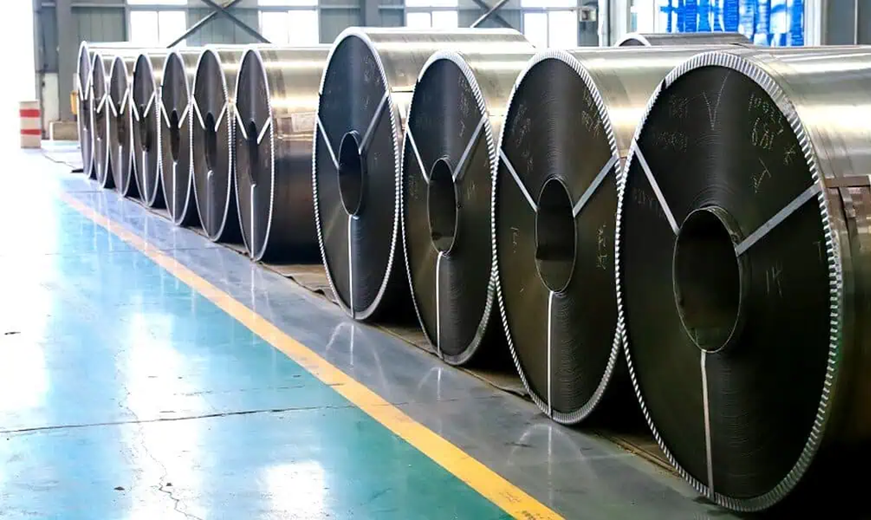
Stainless steel coil are one of the most widely used forms of stainless steel in global manufacturing and construction. Thanks to their corrosion resistance, durability, and versatility, they are essential in industries ranging from construction and automotive to food processing, medical equipment, and energy systems.
This guide explores the main applications of stainless steel coil, key benefits, and what buyers should consider when sourcing from global suppliers.
Related Products:
201 Stainless Steel Coil Stainless Steel Strip 420 Stainless Steel Coil 304 Stainless Steel Coil 316 Stainless Steel Coil 430 Stainless Steel Coil
What Are Stainless Steel Coil?
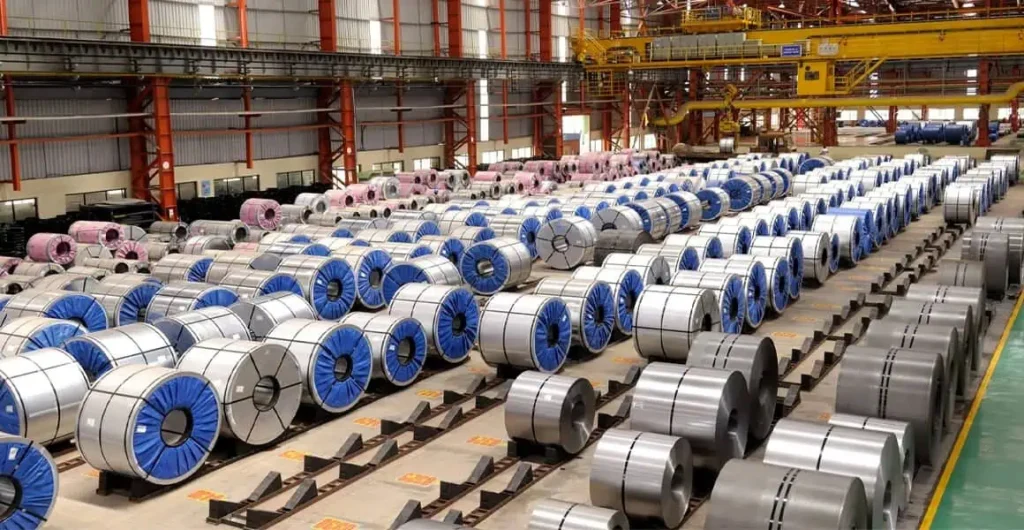
Stainless steel coil are continuous rolls of stainless steel sheet produced through hot rolling or cold rolling processes. They can be further processed into sheets, strips, or fabricated components for various industrial applications.
Common grades include:
-
201 stainless steel coil – cost-effective for decorative applications
-
304 stainless steel coil – general-purpose, widely used
-
316 / 316L stainless steel coil – ideal for marine, chemical, and high-corrosion environments
-
430 stainless steel coil – suitable for appliances and interior use
Key Advantages of Stainless Steel Coil
-
Excellent corrosion resistance
-
High strength and durability
-
Hygienic and easy to clean
-
Good heat resistance
-
Recyclable and environmentally friendly
-
Suitable for fabrication and forming
These properties make stainless steel coil a preferred material for long-term industrial and architectural use.
Applications of Stainless Steel Coil in Different Industries
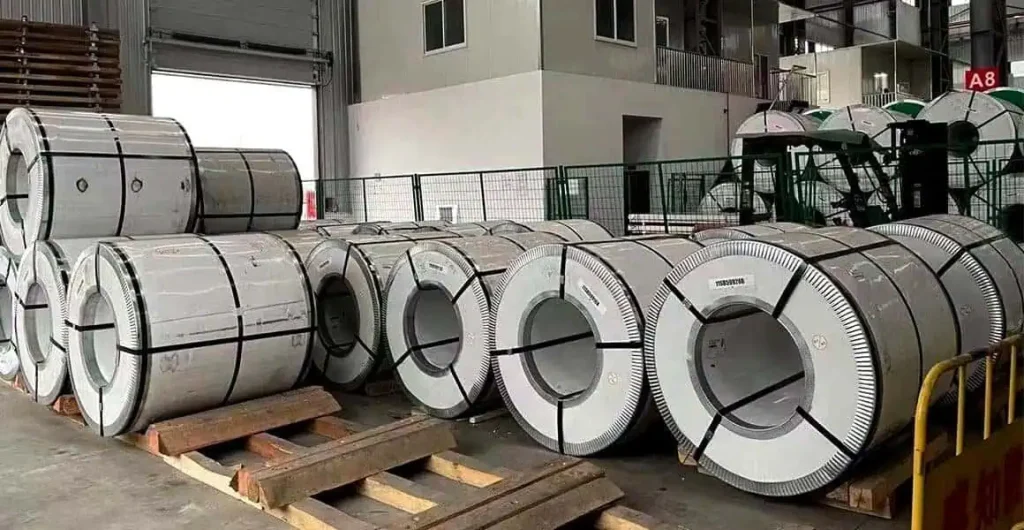
1. Construction & Architecture
In the construction industry, stainless steel coil are widely used for:
-
Roofing and wall cladding
-
Elevator panels and decorative facades
-
Drainage systems and water pipes
-
Structural reinforcement
They perform especially well in coastal regions, humid climates, and high-pollution environments, where corrosion resistance is critical.
2. Automotive Industry
Stainless steel coil play a key role in automotive manufacturing, including:
-
Exhaust systems
-
Trim components
-
Brackets and structural parts
-
Underbody protection
Grades such as 304 and 409 stainless steel are commonly used due to their heat resistance and vibration durability.
3. Food & Beverage Industry
Stainless steel coil are essential for food-grade applications:
-
Food processing equipment
-
Storage tanks and pipelines
-
Kitchen surfaces and worktops
-
Conveyor systems
Finishes like 2B and mirror polish help prevent bacterial growth and ensure compliance with FDA and EU food safety standards.
4. Medical & Pharmaceutical Sector
In healthcare and pharmaceutical manufacturing, stainless steel coil are used for:
-
Surgical instruments
-
Sterilization equipment
-
Medical trays and furniture
-
Laboratory equipment
Their non-reactive surface, corrosion resistance, and easy sterilization make them ideal for hygienic environments.
5. Energy & Chemical Industry
For harsh industrial environments, stainless steel coil are used in:
-
Heat exchangers
-
Pipelines and reactors
-
Oil & gas equipment
-
Chemical storage systems
Grades such as 316L stainless steel are preferred due to their resistance to chlorides, acids, and high temperatures.
Can Stainless Steel Coil Rust?
Unlike carbon steel, stainless steel coil are highly resistant to rust due to the presence of chromium, which forms a protective oxide layer on the surface.
However, corrosion resistance depends on:
-
Material grade (e.g., 304 vs 316)
-
Surface finish
-
Environmental conditions
For outdoor or chemical environments, higher-grade stainless steel is recommended.
Are Stainless Steel Coil Safe?
Yes, stainless steel coil are widely recognized as safe and non-toxic materials.
They are:
-
Food-safe and hygienic
-
Non-reactive in medical environments
-
Recyclable and environmentally friendly
Most stainless steel products comply with international standards such as:
-
RoHS
-
REACH
-
Food-grade certifications
What Should Buyers Look for When Sourcing Stainless Steel Coil?
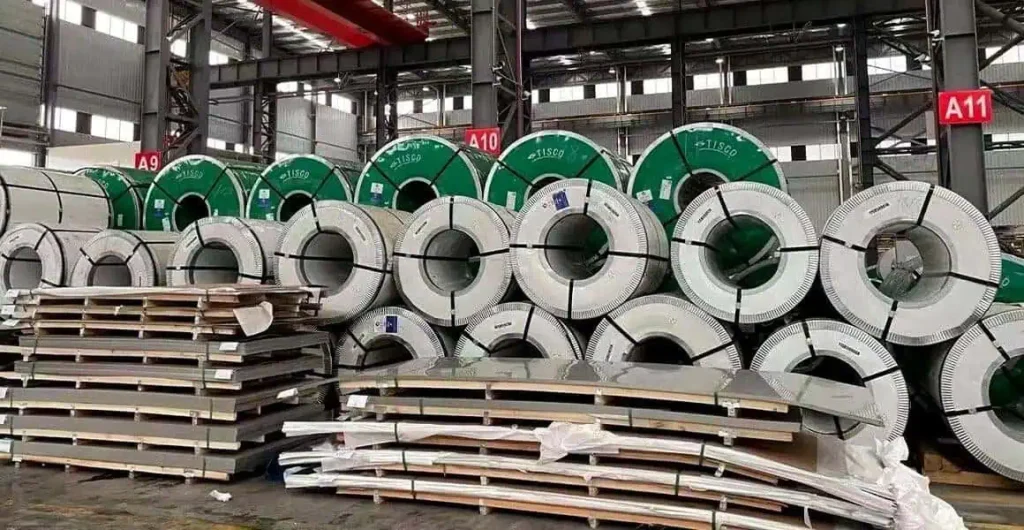
For international B2B buyers, selecting the right supplier is critical.
Key factors to verify:
-
Material grade certification (201 / 304 / 316)
-
Mill Test Certificates (MTC)
-
Compliance with ASTM / EN / ISO standards
-
Surface finish (2B, BA, HL, Mirror)
-
Thickness and width tolerances
-
Third-party inspection (SGS, TUV)
Ensuring these factors helps avoid quality risks in large-scale projects.
Global Supply & Logistics Considerations
Stainless steel coil are traded globally, especially in regions such as:
-
Middle East (UAE, Saudi Arabia) – construction & energy demand
-
South America (Brazil, Colombia, Chile) – infrastructure & food industry
-
Southeast Asia – manufacturing and industrial growth
Reliable suppliers should offer:
-
Flexible shipping terms (FOB, CIF, DDP)
-
Full container or consolidated shipments
-
Export documentation and customs support
Conclusion
Stainless steel coil are a fundamental material across modern industries due to their durability, corrosion resistance, and versatility. From construction and automotive to food processing and energy systems, their applications continue to expand globally.
For buyers, understanding the right grade, application, and supplier capabilities is key to ensuring long-term performance and cost efficiency.