

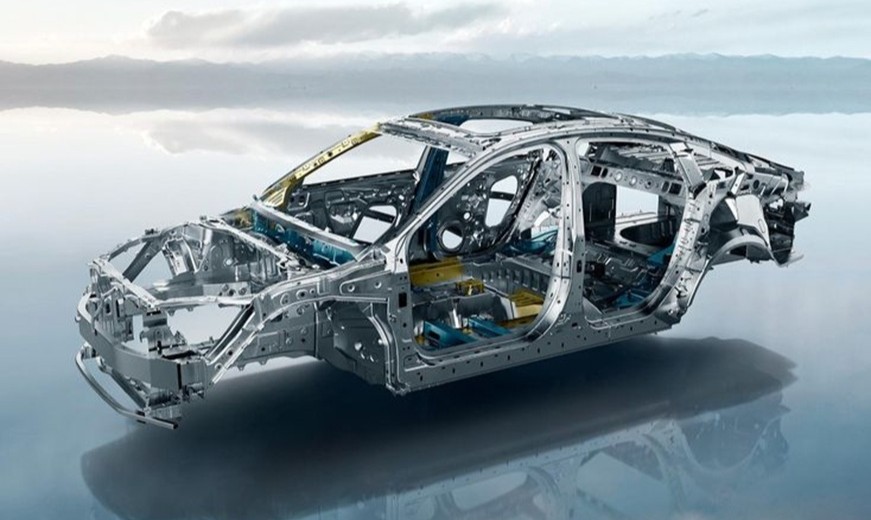
Top 5 Applications of Stainless Steel Coils in the Automotive Industry
Stainless Steel Coils in Automotive Industry: Applications, Grades & Benefits
Stainless steel coils play a vital role in modern automotive design and manufacturing. With increasing demand for lightweight, durable, and corrosion-resistant materials, stainless steel has become a preferred choice for both traditional vehicles and electric vehicles (EVs).
From exhaust systems and structural components to battery enclosures and decorative trims, stainless steel coils for automotive applications help improve vehicle performance, safety, and lifespan.
Related Products:
201 Stainless Steel Coil Stainless Steel Strip 420 Stainless Steel Coil 304 Stainless Steel Coil 316 Stainless Steel Coil 430 Stainless Steel Coil
Why Stainless Steel Coils Are Used in Automotive Manufacturing
Automotive manufacturers choose stainless steel coils due to their:
-
Excellent corrosion resistance (road salt, moisture, chemicals)
-
High strength-to-weight ratio (supports lightweighting trends)
-
Heat resistance for high-temperature environments
-
Long service life with low maintenance
-
Aesthetic finishes for interior and exterior design
These properties make stainless steel essential for next-generation automotive engineering, especially in EV and hybrid vehicles.
Key Applications of Stainless Steel Coils in Automotive Industry
1. Exhaust Systems
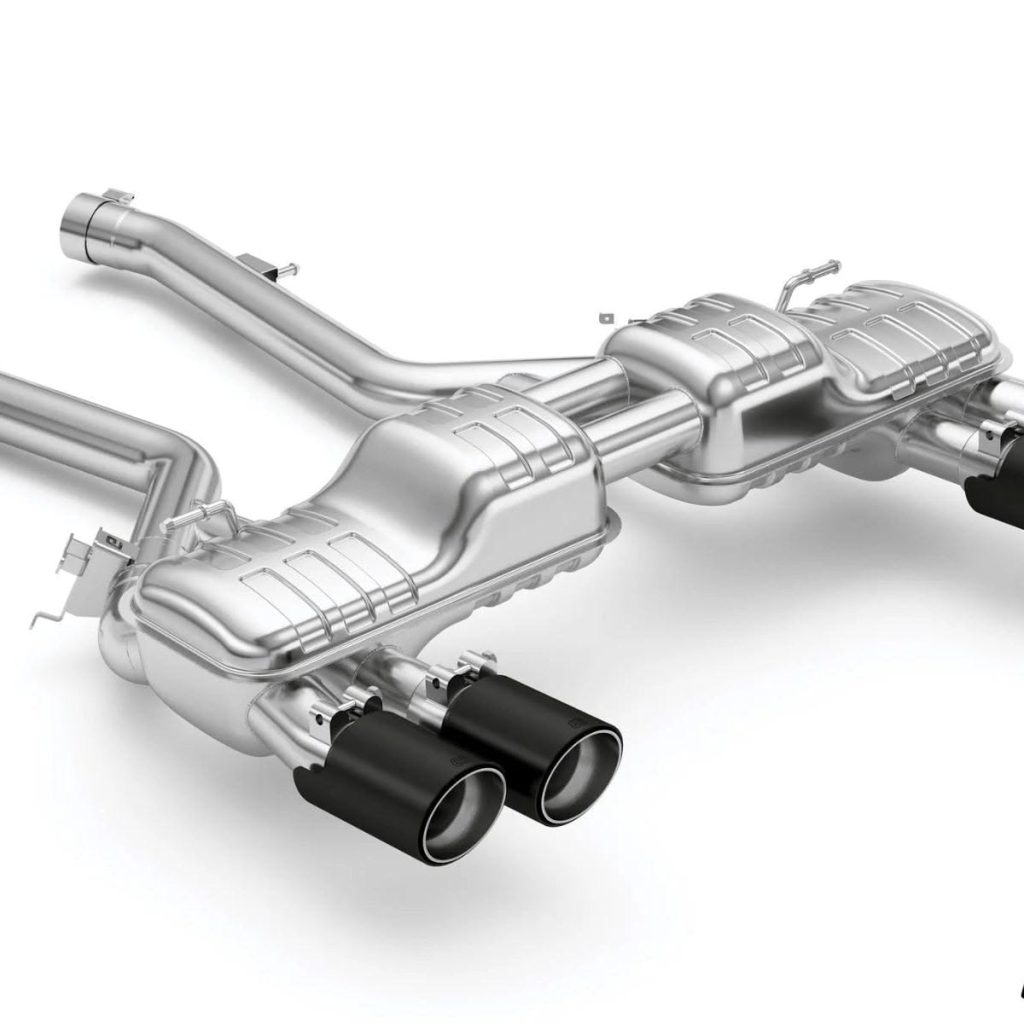
Stainless steel is the industry-standard material for automotive exhaust systems due to its ability to withstand extreme heat and corrosive gases.
Typical Components:
-
Mufflers
-
Exhaust manifolds
-
Catalytic converter shells
-
Tailpipes
Common Grades:
-
409 stainless steel – cost-effective, widely used
-
439 stainless steel – improved corrosion resistance
-
304 stainless steel – premium applications
Key Advantages:
-
High-temperature resistance
-
Up to 3× longer lifespan than aluminized steel
-
Strong resistance to road salts and moisture
2. Structural Components & Chassis Parts
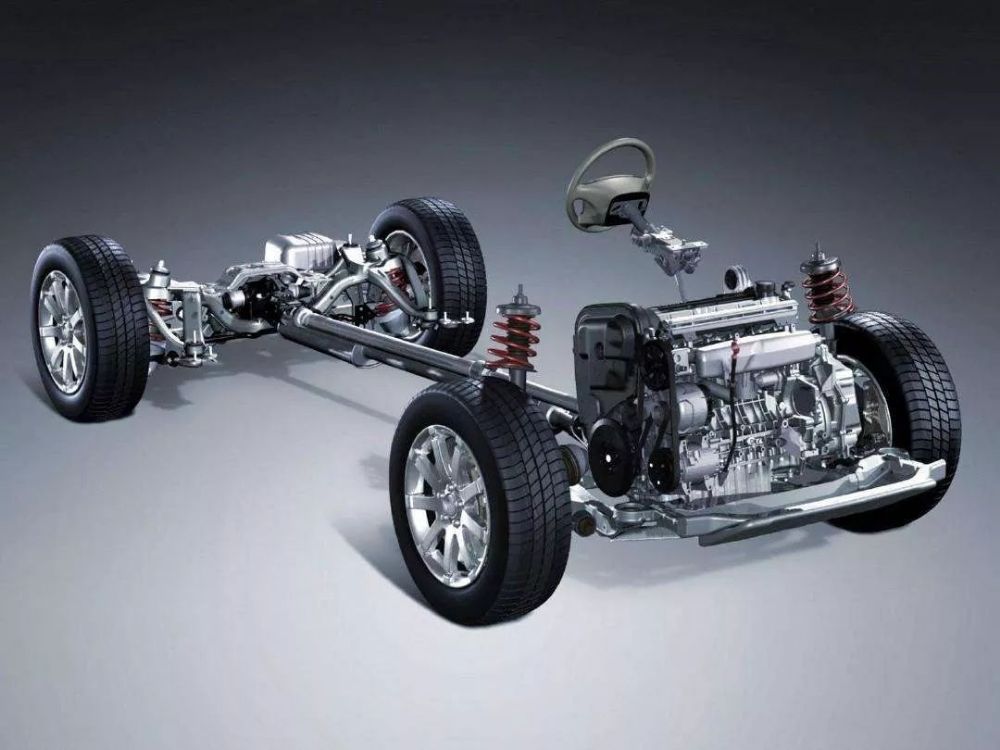
Stainless steel coils are increasingly used in vehicle structural components to improve crash safety while reducing weight.
Applications:
-
Reinforcement bars
-
Cross members
-
Door frames and pillars
Key Benefits:
-
High strength-to-weight ratio
-
Excellent energy absorption in collisions
-
Improved crash performance and passenger safety
3. Fuel Tanks
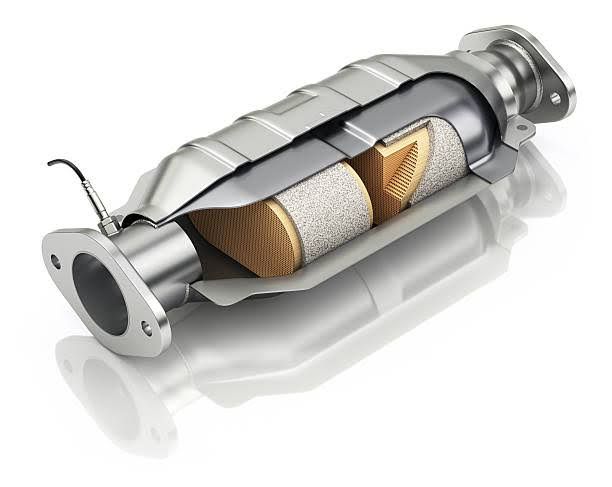
Stainless steel fuel tanks provide better durability and safety compared to traditional materials.
Benefits:
-
Zero permeability (prevents fuel leakage)
-
Up to 40% weight reduction vs conventional steel tanks
-
Long-term corrosion resistance
Common Grades:
-
304 stainless steel
-
316L stainless steel
Industry Trend:
Laser-welded stainless steel coils are increasingly replacing plastic and mild steel fuel tanks.
4. Decorative & Trim Components
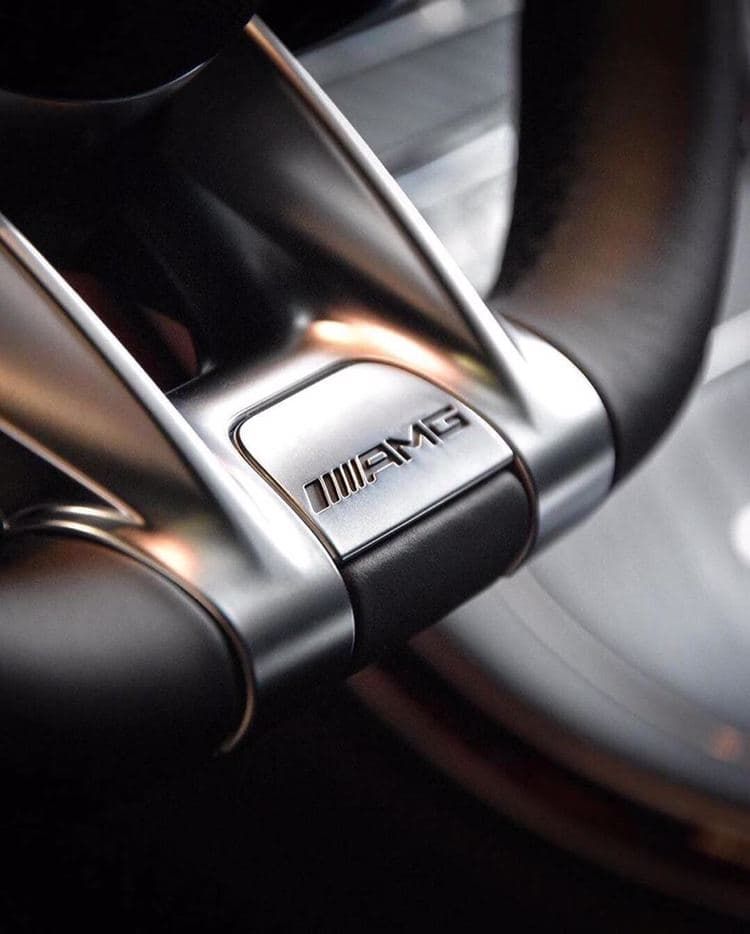
Stainless steel coils are widely used for both interior and exterior automotive design elements.
Applications:
-
Door sills
-
Grilles
-
Wheel arches
-
Interior trims
Surface Finishes:
-
Brushed (No.4 / HL)
-
Mirror polished
-
PVD colored stainless steel
Advantages:
-
Maintains appearance under UV exposure
-
Scratch and wear resistant
-
Supports custom textures (etching, embossing)
5. EV Battery Enclosures & Components
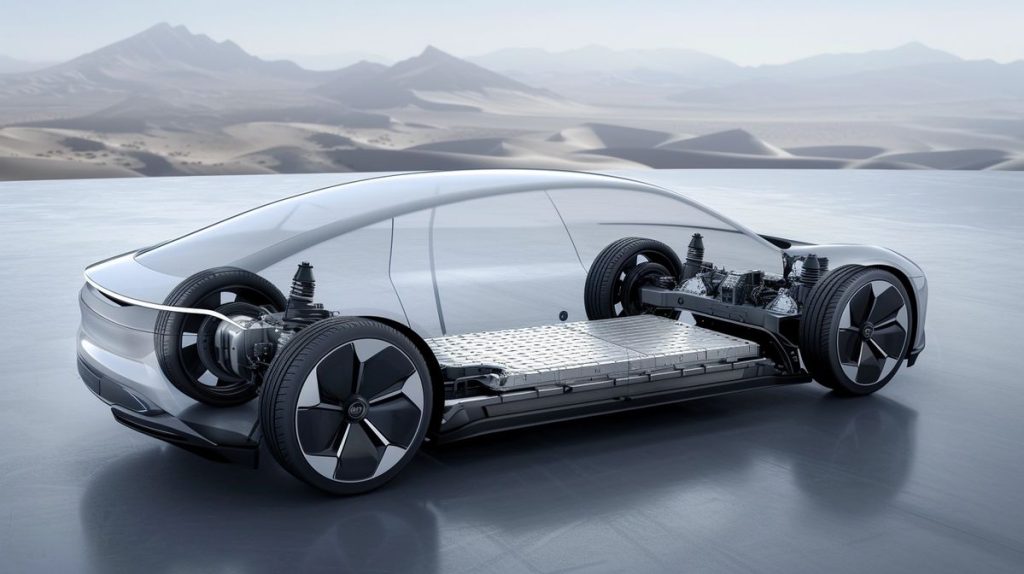
With the rapid growth of electric vehicles, stainless steel coils are now critical in battery safety and protection systems.
Key Applications:
-
Battery enclosures
-
Protective casings
-
Cooling plate structures
Common Grades:
-
441 stainless steel – high heat resistance
-
304 / 316L – structural protection
Why Stainless Steel?
-
Fire resistance (critical for lithium-ion batteries)
-
EMI shielding performance
-
Structural durability
Automotive Stainless Steel Grades Overview
| Application | Common Grades | Key Benefit |
|---|---|---|
| Exhaust Systems | 409, 439, 304 | Heat & corrosion resistance |
| Structural Parts | 301, 316L | Strength & crash safety |
| Fuel Tanks | 304, 316L | Corrosion resistance |
| Decorative Trim | 430, PVD | Aesthetic & durability |
| EV Components | 441, 304 | Heat & safety performance |
Why Stainless Steel Coils Are Critical for Future Vehicles
As the automotive industry moves toward:
-
Lightweight vehicles
-
Electric mobility (EVs)
-
Longer service life requirements
Stainless steel coils offer a unique combination of:
-
Mechanical strength
-
Corrosion resistance
-
Design flexibility
-
Sustainability (fully recyclable material)
These advantages make stainless steel a core material for modern and future vehicle manufacturing.
Conclusion
Stainless steel coils in the automotive industry are essential for improving durability, safety, and performance across a wide range of components. From exhaust systems and structural parts to EV battery enclosures and decorative elements, stainless steel continues to play a key role in automotive innovation.
As vehicle technologies evolve, demand for high-performance materials like stainless steel coils will continue to grow globally.